Every year, World Diabetes Day shines a light on one of the most common health conditions affecting people in later life. Diabetes affects millions of people across the UK, and for many, it becomes a lifelong condition that needs daily care and attention. At Vitale Care, we understand how important diabetes care at home for elderly people is. Our Care Professionals help deliver the proper support for clients across West Sussex and the South Coast. Helping them to live safely, confidently and independently in the comfort of their homes.
In this article, we’ll explore what diabetes means in later life and share practical guidance on diet, medication and daily routines to help you or a loved one stay healthy and well.
Understanding Diabetes in Later Life
Why awareness and early checks matter
As we age, our bodies process sugar differently. Type 2 diabetes, the most common form among older adults, happens when the body cannot use insulin effectively, causing blood sugar levels to rise.
Older adults are more at risk, particularly if they are overweight, less active or have a family history of diabetes. But the good news is that with the right support and habits, you should be able to manage your diabetes.
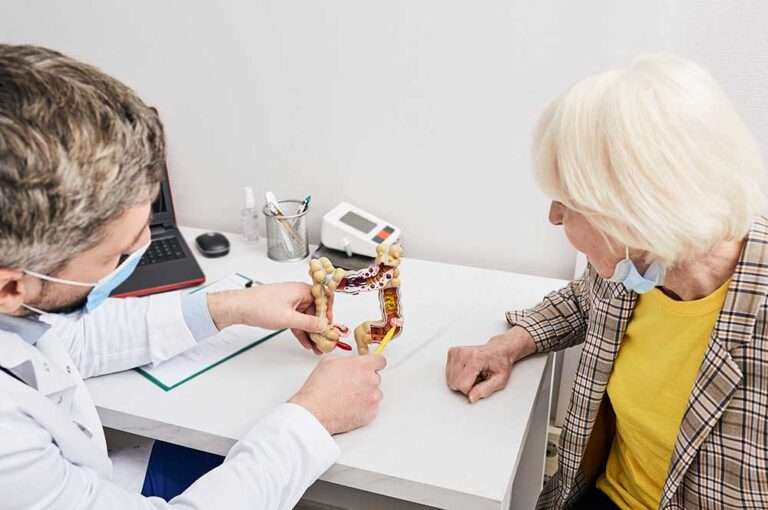
Regular check-ups are vital. Your GP can arrange a simple blood test to check your glucose levels, and the NHS Health Check programme offers free screening for adults aged 40–74. If you notice feeling unusually tired, thirsty or are visiting the loo more often than usual, it’s always worth mentioning to your GP or Care Professional.
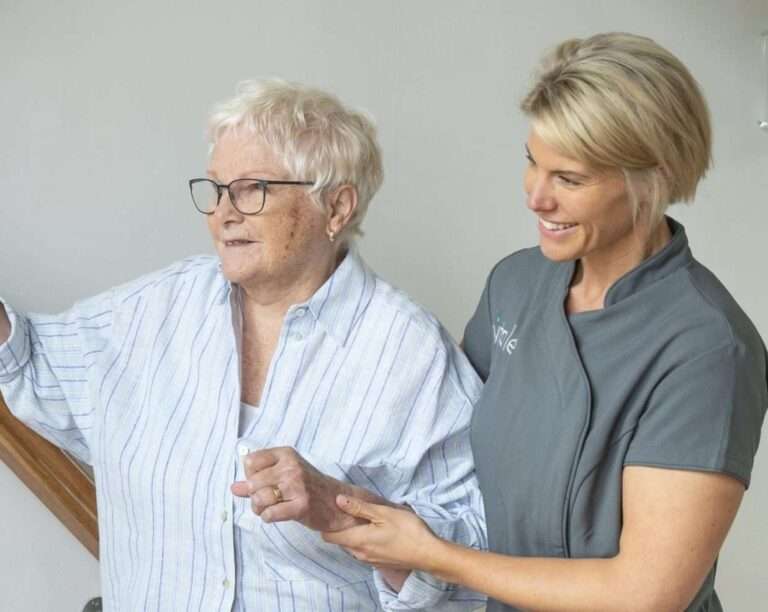
Care Professionals can also help spot small changes that might otherwise go unnoticed, helping you stay on top of your health.
Action tip: Book a free NHS Health Check if you’re over 65 or have a higher risk of diabetes. (Or ask your Care Professional to help you book). Early detection makes treatment easier and can help you stay healthy for longer.
Eating Well and Managing Diabetes at Home
Practical diet advice for older adults living with diabetes
Food plays a big part in keeping blood sugar levels steady. The key is balance, not restriction. Choosing wholegrains, lean proteins, vegetables, and fruit in moderation can make all the difference.
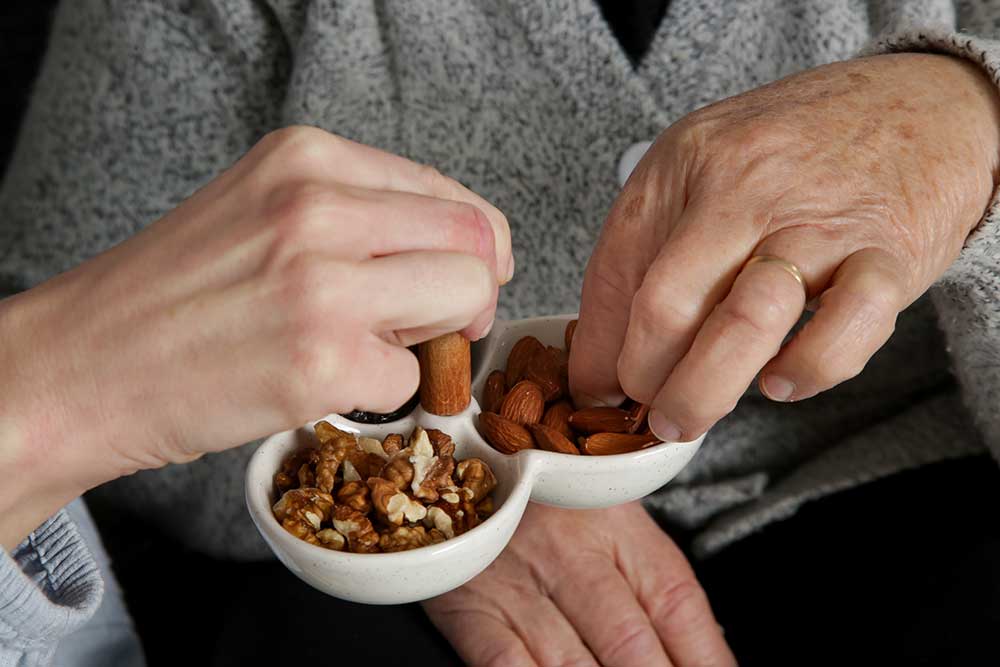
Try to eat regular, balanced meals at similar times each day. Avoid skipping meals, as this can cause dips or spikes in blood sugar. Swapping processed or sugary snacks for fresh fruit, nuts, or oatcakes can also be helpful.
At Vitale Care, our Care Professionals can help support you with meal planning, shopping and preparing healthy, home-cooked food. They take time to understand your preferences and can help make small changes that support your overall wellbeing.
Action tip: Plan a week of simple, balanced meals with your Care Professional or a family member. Include one healthy swap each day, such as wholemeal bread instead of white, or fruit instead of biscuits for a mid-morning snack.
Staying Active, Safe and Monitored at Home
How routines and small changes make a big difference
Gentle, regular movement helps the body manage blood sugar and improves energy, balance and mood. Gentle walking or gardening are good everyday movements. And even if you’re not particularly mobile, remember that light chair exercises at home can make a difference.
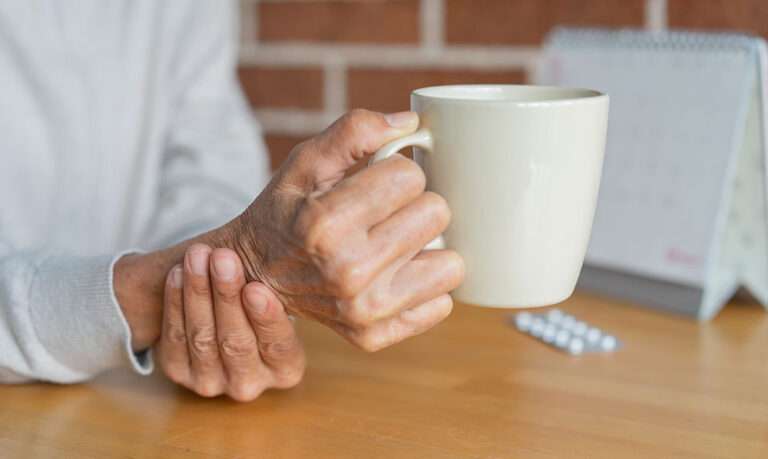
Taking medication as prescribed and monitoring blood sugar regularly are just as important. Care Professionals can help by providing reminders, assisting with monitoring equipment or helping you record readings to share with your GP or nurse.
Maintaining a steady daily routine that includes movement, meals, and rest can make life feel more predictable and easier to manage.
Action tip: Create a simple daily checklist that includes meals, medication, movement and monitoring. It’s a great way to stay consistent and to notice any small changes early.
Diabetes Care at Home
Living with diabetes doesn’t have to mean giving up independence or comfort. With practical habits, early checks and a helping hand, many older adults continue to live happily and confidently at home.
If you or a loved one would like support managing diabetes at home, our Care Professionals across West Sussex and the South Coast are here to help. We can assist with meal preparation, medication routines and daily activities that promote good health and wellbeing.
To learn more about our home care services, please contact our team today. We offer a complimentary, no-obligation care assessment so you can ask us all the questions you need to.