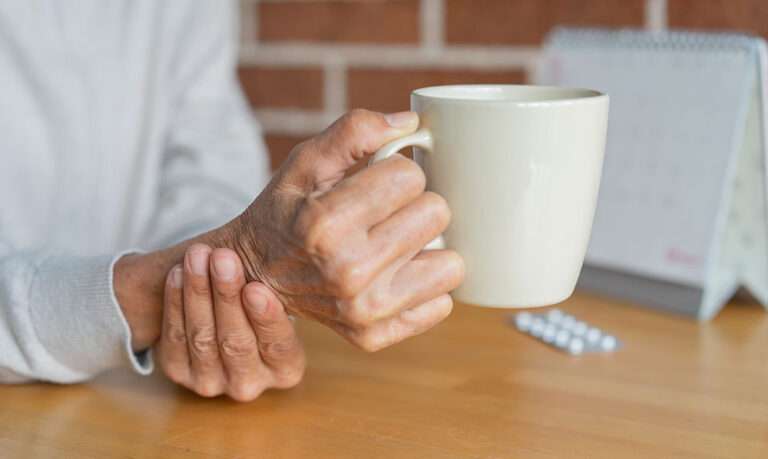
Why is dexterity important as we age?
Dexterity helps us maintain our independence. Simple tasks like opening jars, handling utensils, or fastening buttons are essential for self-sufficiency.
Dexterity helps us react quickly to potential hazards like catching ourselves during a fall.
Doing activities that require dexterity, such as knitting or playing musical instruments, can help keep the brain active and improve cognitive function. These activities stimulate neural pathways and promote mental agility.
Many social activities involve dexterity, such as card games, crafting, or gardening. Maintaining dexterity allows us to take part in these activities, which can combat loneliness and foster social connections.
Dexterity is important for pursuing hobbies and interests like painting, woodworking, or cooking. These creative outlets bring joy and satisfaction and give you a sense of purpose.
Vitale’s approach to at-home care is to help you live the life you love. This means helping you stay as independent as possible, as active as possible and connected to your local community, family and friends.
Our team has created this simple set of exercises you can try at home to help maintain your dexterity. You can download them here. Our Community Engagement Officer Charli runs pop-up crafting and exercise sessions for local people looking to improve their dexterity. For information about future events follow the Vitale Care Facebook page.
What conditions can impact our dexterity as we age?
Arthritis: Osteoarthritis and rheumatoid arthritis can cause joint inflammation and pain, limiting hand and finger mobility.
Carpal Tunnel Syndrome: This condition can lead to numbness, tingling, and weakness in the hand, making precise movements difficult.
Parkinson’s Disease: Parkinson’s affects motor skills, including dexterity, making it challenging to perform fine motor tasks.
Stroke: Strokes can cause partial paralysis or weakness in the hands and fingers, impairing dexterity.
Peripheral Neuropathy: Nerve damage, often associated with diabetes, can result in reduced sensation and control of the hands and feet.
Tendonitis: Inflammation of the tendons in the hand can cause pain and limit the range of motion.
The benefits of keeping fingers agile
Maintaining dexterity as we age is crucial for preserving independence, preventing injury, enhancing cognitive function, promoting social engagement, and enjoying hobbies. Incorporating dexterity-promoting exercises into our daily routines can reduce the effects of ageing and continue to lead fulfilling lives. Awareness of common conditions that can impact dexterity, seeking early intervention and appropriate treatments when necessary. Nurturing our dexterity as we age is an investment in our overall well-being and quality of life.
At Vitale, we support people living with a range of conditions including dementia, Parkinson’s disease, MND, stroke and acquired brain injury to live the life they love. Our at-home care support includes helping people stay active and get out and about. This can include helping them maintain their dexterity.
If you or a loved one is looking for at-home care with a difference, call our experienced team on 01243 973600.