Vitale cares for many clients who have had a stroke. We know from experience that stroke survivors often face challenges in regaining their movement and dexterity.
A stroke can affect movement in different ways, which is why a tailored approach is essential for each client.
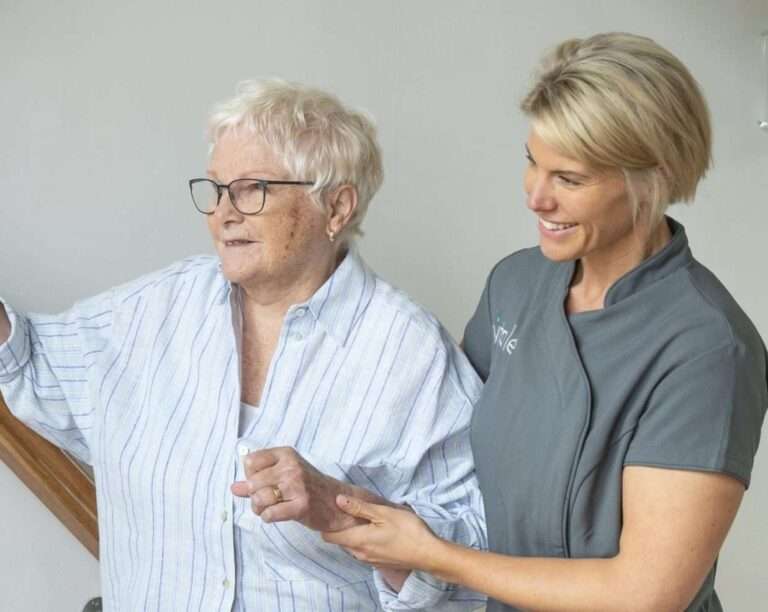
We work with you to develop a care package, which can include massage therapy and support with exercises. Close collaboration with your wider healthcare team, including physiotherapists occupational therapists and your GP, is fundamental to our approach.
We believe that massage therapy and exercise, including dexterity exercises, can be crucial components of stroke rehabilitation. The Stroke Association has useful information specifically looking at the issue of exercise and stroke.
As well as supporting clients individually, Vitale runs a range of sessions in the community to help those who have had a stroke. For more information about these sessions, you can speak to our Community Engagement Officer on 01243 973600 or email our team at [email protected]
If you or a loved one is looking for at-home care to support you after a stroke please speak to our experienced team 01243 973600.
Understanding Stroke and Its Impact on Movement
Strokes can vary in type and severity.
The two main types of stroke are ischemic and hemorrhagic, both of which can have different implications for movement.
Ischemic Stroke:
Ischemic strokes occur when a blood clot blocks a blood vessel in the brain. This can lead to the death of brain cells in the affected area. Movement impairment often results from damage to specific brain regions controlling motor functions. Common motor deficits include weakness, paralysis, and spasticity, making it challenging for patients to control and coordinate their movements.
Hemorrhagic Stroke:
Hemorrhagic strokes are caused by bleeding within the brain due to the rupture of a blood vessel. The bleeding can create pressure on surrounding brain tissue, leading to movement difficulties. Motor deficits may include weakness, loss of balance, and difficulty in fine motor skills.
Massage Therapy
Massage therapy plays a crucial role in stroke rehabilitation by addressing various physical and emotional aspects:
Improved Circulation:
Massage can enhance blood flow, helping to restore oxygen and nutrients to damaged brain tissue.
Improved circulation can support the healing process and reduce muscle stiffness.
Relaxation and Pain Management:
Stroke survivors often experience muscle tension and pain. Massage therapy can alleviate these symptoms, promoting relaxation.
Reduced pain can motivate patients to engage more actively in their rehabilitation.
Sensory Stimulation:
Stroke survivors may have altered sensory perception. Massage therapy can help re-establish connections between the brain and the body, aiding in regaining proprioception and body awareness.
Exercise
Exercise, including dexterity exercises, is a cornerstone of stroke rehabilitation, offering numerous benefits:
Muscle Strengthening:
Targeted exercises can help strengthen weakened muscles, improving mobility and stability.
Strengthening the affected side of the body is particularly important for many stroke survivors.
Coordination and Balance:
Dexterity exercises promote coordination and balance, essential for daily activities and preventing falls.
These exercises help retrain the brain to control fine motor skills.
Neuroplasticity:
Stroke survivors can experience positive neuroplastic changes through exercise.
Repeated, purposeful movements stimulate the brain to rewire and adapt, facilitating recovery.
Stroke rehabilitation is not a one-size-fits-all approach. The impact of a stroke, your unique circumstances, and your goals all play a crucial role in designing a tailored care plan. We take a holistic approach to address the physical, emotional, and cognitive aspects of recovery.
Understanding the specific challenges posed by different stroke types and tailoring care and rehabilitation plans accordingly is essential. With dedication, patience, and a comprehensive approach to care and rehabilitation, stroke survivors can achieve improved movement, enhanced dexterity, and an improved quality of life.