When was the last time you sang, even just in the shower? Did you know that singing is good for your brain and your mental health?
Recent research highlights its substantial therapeutic effects and benefits for mental health, particularly among older people. Singing can be especially beneficial for those living with conditions such as dementia, Parkinson’s disease, stroke, cancer, and those experiencing loneliness and social isolation.
For people living with dementia, singing offers profound cognitive and emotional benefits. Research shows that musical memory often remains intact for longer than other types of memory, allowing those with dementia to connect with music even in advanced stages of the disease. A study by the University of Helsinki found that regular singing sessions can improve mood, orientation, and remote episodic memory in people with dementia. Singing familiar songs can evoke positive emotions and memories.
Singing can be beneficial for people with Parkinson’s disease. People with Parkinson’s Disease can find their speech and motor control are affected. Singing exercises the vocal cords and respiratory muscles, improving speech clarity and breathing. A study conducted by Iowa State University highlighted that group singing improved vocal strength and quality in people living with Parkinson’s. The rhythmic aspect of music can help improve motor function and coordination.
Stroke recovery, the benefits of singing
For stroke survivors, singing can play a vital role in rehabilitation. Music therapy, including singing, has been shown to enhance neuroplasticity—the brain’s ability to reorganise itself by forming new neural connections. This can aid in recovering speech and motor skills lost due to a stroke. A study published in the journal Brain demonstrated that stroke patients who participated in singing therapy exhibited improved mood and reduced levels of anxiety and depression. The social interaction involved in group singing also helps combat feelings of isolation that are common after a stroke.
Mental health benefits of singing for people living with cancer
Cancer patients and survivors often face significant psychological challenges, including anxiety, depression, and stress. Singing can be a powerful tool in alleviating these symptoms. Research from the Royal Marsden Hospital in London revealed that singing can lower stress hormones and boost immune function in cancer patients. The sense of community and support found in group singing sessions provides emotional relief and enhances quality of life.
Loneliness and social isolation can be challenges faced by older people and have profound impacts on mental health. Group singing fosters social connections and a sense of belonging. Communal singing activities can reduce feelings of loneliness and provide meaningful social interaction. A study by the University of East Anglia found that older people who participated in community choirs and singing groups reported significant improvements in their mental well-being and reduced feelings of isolation.
Emotional and psychological benefits of singing
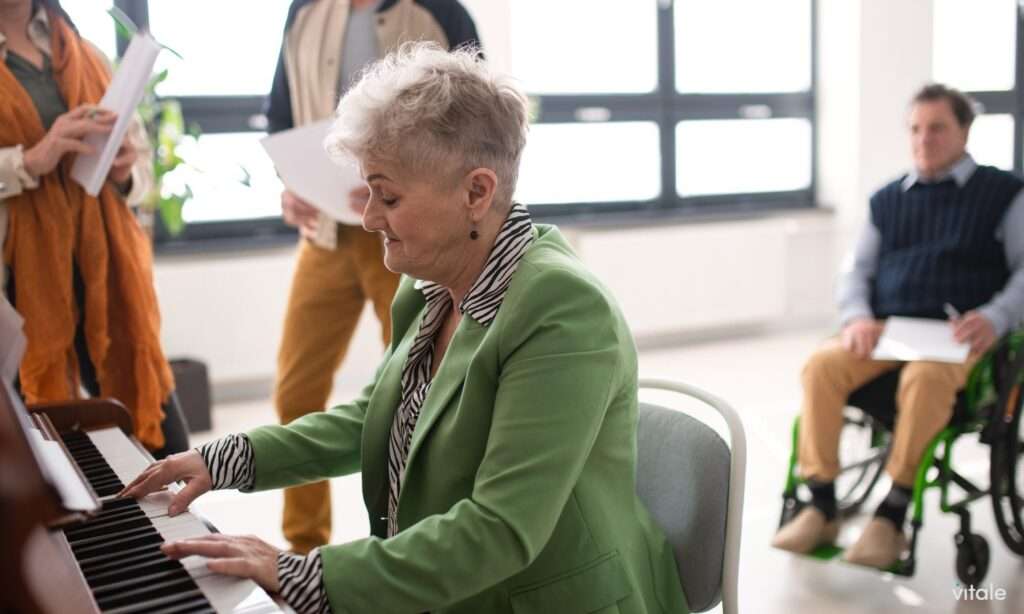
Beyond the specific health conditions, singing has general psychological benefits for older adults. It can elevate mood by increasing the production of endorphins, the brain’s ‘feel-good’ chemicals. Singing reduces levels of cortisol, a hormone associated with stress. The act of singing in a group also promotes a sense of accomplishment and self-worth, which can counteract depression and anxiety.
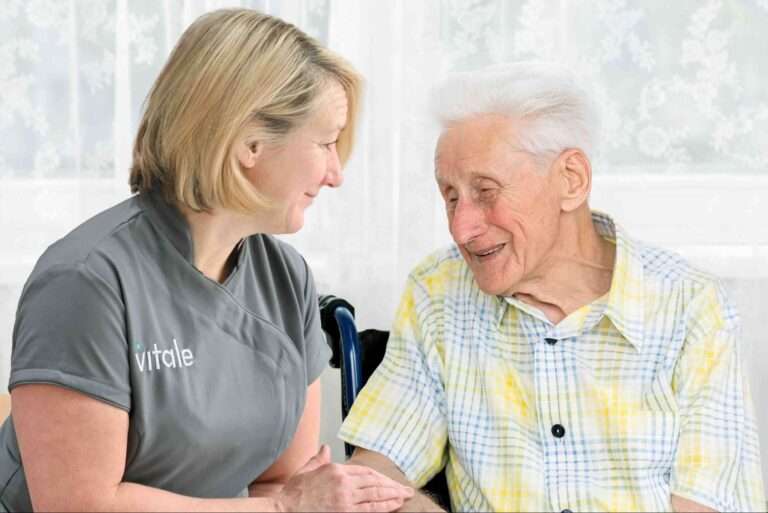
The Vitale team volunteers at several local community groups, many of which include singing as part of their activities.
Co-founder Sarah Harris said, “Some people might be a little nervous about singing, especially if it’s a long time since they’ve tested out those vocal cords. The groups we support offer a warm welcome. There’s no such thing as a wrong note. It’s wonderful to see the smiles and hear the laughter after a few verses of You Are My Sunshine or a classic Beatles song.”
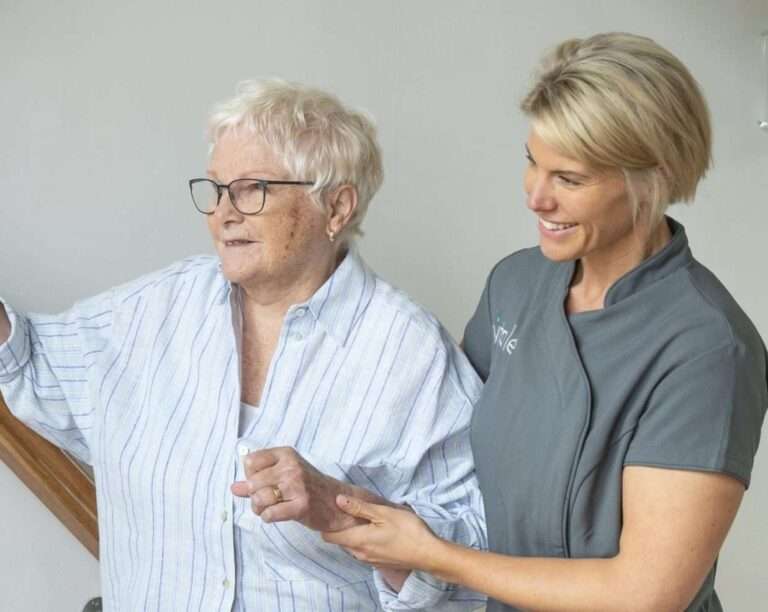
Vitale Care Clinical Nurse Jo Morgan added, “Our approach to care focuses on enhancing the quality of life and mental health of our clients. It’s lovely when we see clients and their Care Professionals attending local groups and enjoying crafting, singing and socialising.”
If you are looking for care for yourself or a loved one please call our team to book a free care assessment.
More reading:
- University of Helsinki: Study on singing and dementia
- Iowa State University: Study on singing and Parkinson’s disease
- Brain Journal: Study on singing and stroke recovery
- Royal College of Music: Study on singing and cancer
- University of East Anglia: Study on singing and social isolation
Groups we support
Chichester Stroke Club
Selsey Community Forum
Good Morning Tuesday Club
Parkinson’s Chichester
Parkinson’s Bognor Regis