Care Services
About Vitale
More From Vitale
Not sure what support you need?

Nicola Munday, Registered Care Manager
In Dementia Awareness Week we were furious to discover that one of our clients living with dementia had been targeted by scammers. Fortunately, a Vitale Care Professional raised the alert. The client escaped the fraudster’s clutches and didn’t lose any money. We’ve upped our training for the team and are being extra vigilant. Read how to protect yourself and your loved ones from scammers.
As we age, unfortunately, we can also become more vulnerable to scams. Scammers often believe that older people are ‘easy targets’ for several reasons:
Perceived vulnerability: Scammers believe older people are more trusting, polite, and less likely to question authority, making them prime targets for manipulation. Scammers exploit these traits to gain their victims’ trust and deceive them more easily. People living with dementia, Parkinson’s and stroke can find their cognitive abilities are affected by their condition, making them even more vulnerable.
Isolation: Scammers take advantage of loneliness and isolation by providing false companionship or emotional support, making their victims more susceptible to their schemes.
Financial stability: Older people often have accumulated savings, retirement funds, and assets, making them attractive targets for financial scams. Scammers see them as potentially lucrative targets who are more likely to have access to significant sums of money.
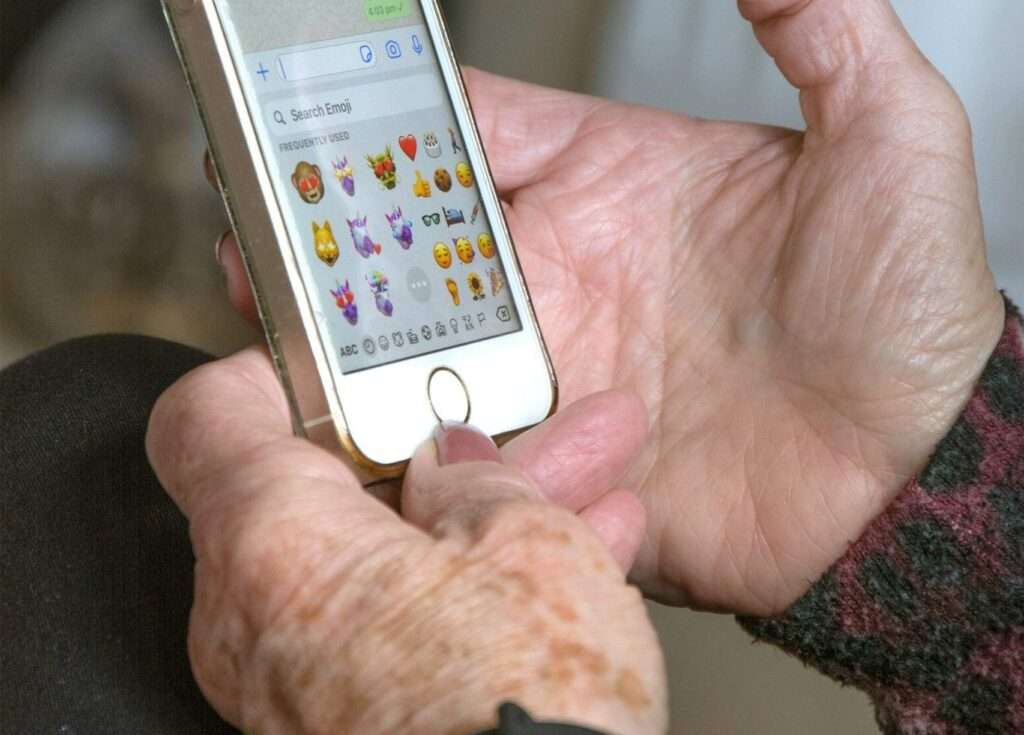
Limited technological literacy: While many older people are technologically savvy, others may have limited experience with modern technology and online platforms. Scammers exploit this lack of familiarity to perpetrate internet and phone scams. They know that older people may be less able to recognise the warning signs of fraudulent activity.
Health concerns: Older people may be more susceptible to health-related scams, such as fake medical treatments or miracle cures, due to concerns about their well-being. Scammers exploit these fears to sell ineffective or overpriced products, promising unrealistic health benefits.
Politeness and trust: Older people often come from a generation where politeness and trust are highly valued. Scammers manipulate these values to establish rapport and gain their victims’ confidence, making it harder for older adults to recognise fraudulent behaviour.
It’s essential for elderly people, and those who support them, to remain vigilant and informed about common scams to protect themselves from falling victim to fraudulent schemes.
Phone Scams: One of the most common scams targeting older people is the infamous phone scam. Fraudsters may impersonate government officials, utility companies, or even family members, seeking personal information or money. Remember, legitimate organisations won’t demand immediate payment over the phone or ask for sensitive information like Social Security numbers.
Internet Fraud: Phishing emails, fake websites, and social media scams can trick unsuspecting older people into sharing personal or financial information. Always verify the legitimacy of websites before making any transactions online. Be cautious when clicking on links or downloading attachments from unfamiliar sources.
Door-to-Door Scams: Scammers may knock on your door offering services or products that seem too good to be true. Whether it’s home repairs, gardening services, or sales pitches, always ask for identification. Verify the company’s legitimacy before agreeing to anything. Don’t feel pressured to make quick decisions. Never let strangers into your home without proper credentials.
Investment Scams: Older people are often targeted in investment scams promising high returns with little to no risk. Be wary of unsolicited investment opportunities and always research the company and its credentials before investing any money. Consult with a trusted financial advisor before making any significant financial decisions.
Healthcare Scams: Fraudulent healthcare schemes prey on older people’s concerns about their well-being. These scams may involve fake health products, Medicare fraud, or bogus medical treatments. Protect yourself by carefully reviewing medical bills and statements. Never share your Medicare number or other personal information with unknown individuals or organisations.
To avoid falling victim to scams, consider implementing the following tips:
Stay informed: Keep yourself updated on the latest scams targeting older people in the Chichester District by visiting reliable sources such as the Citizens Advice Bureau or Age UK.
Be sceptical: If something sounds too good to be true, it probably is. Trust your instincts and don’t hesitate to question the legitimacy of any offers or requests for information.
Protect your personal information: Never share sensitive information like your bank account details, Social Security number, or passwords with anyone you don’t trust explicitly.
Verify identities: Always verify the identity of individuals claiming to represent legitimate organisations or businesses. Don’t hesitate to ask for identification or contact the company directly to confirm their credentials.
Seek support: If you suspect you’ve been targeted by a scam or have fallen victim to one, don’t be afraid to seek help. Report the incident to Action Fraud and reach out to local support services for assistance and guidance.
You can get a copy of the Little Book of Big Scams here. It is produced by the Metropolitan Police and will help you stay aware of the latest and most prolific scams.
Remember, being proactive and vigilant is key to protecting yourself from scams. By staying informed, exercising caution, and seeking support when needed, you can safeguard your finances and well-being.
We are reinforcing our training and awareness of scams for all our Care Professionals. We care for some of the most vulnerable people in our community. We want to do our best to keep our clients safe from pernicious scammers.
If you are looking for care for yourself or a loved one contact our experience team to book a free care consultation.
Book a free, 20-minute consultation. No obligation.
or call 01243 973600
About the author: Nicola Munday, Registered Care Manager
Nicola started her care career in 2011, and started as a Registered manager in 2013, She has a passion for learning and developing new skills.
Get in touch today for a friendly chat and a free, no-obligation consultation.