Care Services
About Vitale
More From Vitale
Not sure what support you need?

Nicola Munday, Registered Care Manager
Cold weather and seasonal changes naturally bring small shifts to daily routines, but for someone living with Parkinson’s, lower temperatures can be a challenging combination, as sensitivity to temperature, mobility changes, and shorter daylight hours take effect.
The change of season means we all naturally make small changes to our routines. But for someone living with Parkinson’s, the arrival of Autumn can bring some additional day-to-day considerations. Parkinson’s and cold weather can be a challenging combination for some people. Read on for some practical tips to help you or your loved one navigate the cooler months with Parkinson’s.
Everyone experiences Parkinson’s differently, so colder weather won’t always affect everybody in the same way. However, there are several reasons why the changing seasons may require a little extra thought.
Parkinson’s affects the nervous system, which controls body temperature, so people with Parkinson’s can be more sensitive to cooler temperatures. Colder, wetter weather can also make leaving the house more difficult for someone who already has problems with balance or mobility. And finally, let’s not forget that when the weather is unpleasant and the evenings darker, many of us decide to go out less. It’s easy for regular outings and events to disappear from the diary. Yet staying active and sticking to routines can be particularly valuable for someone living with Parkinson’s.
When the weather changes, a few practical adjustments can help you or your loved one stay active.
Keep moving, even when you’re staying indoors. If the weather makes your usual walk difficult, think about other ways to stay active at home. Parkinson’s UK has a useful page of physical activity resources including chair-based, strength and balance exercises for different abilities.
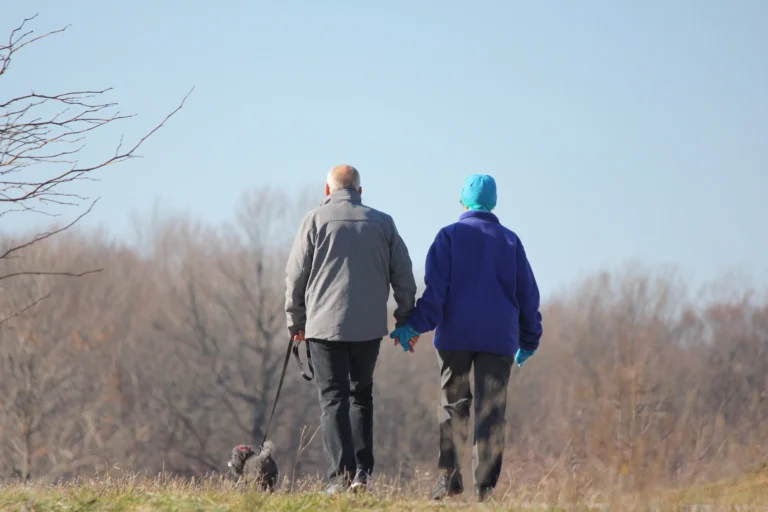
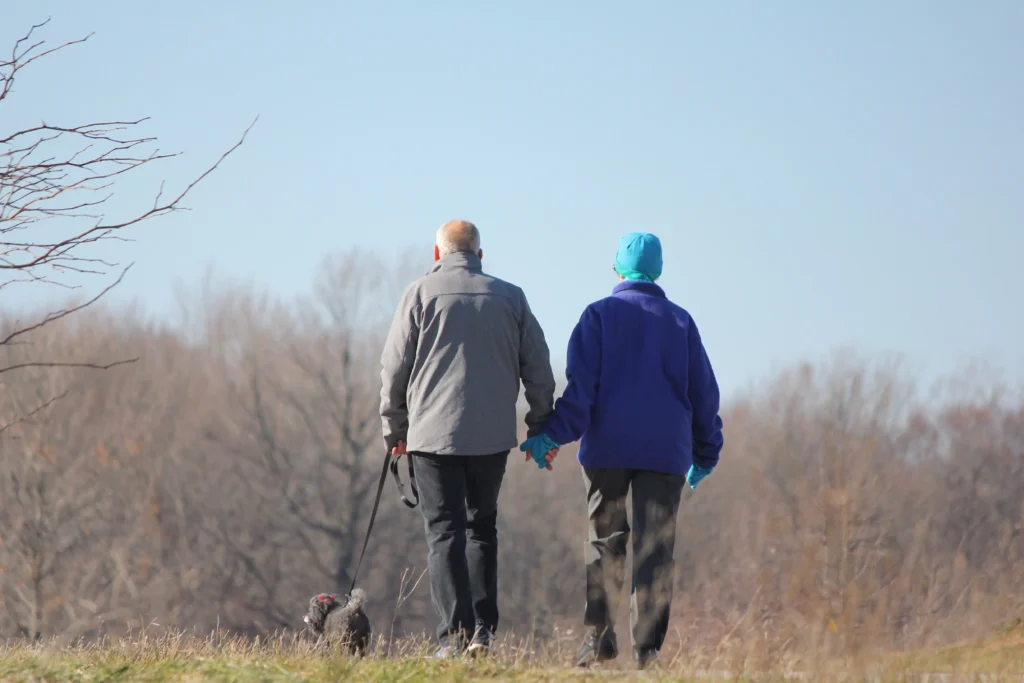
Choose the right time to go out. Try to plan short walks and outings for daylight hours. Familiar routes and suitable footwear can also help make an outing feel more manageable, but you may wish to allow extra time.
Stick to your routines. Colder days can make it easier to skip the walk, Community Hub coffee catch up or regular outing. If possible, try to keep those familiar parts of the week in place. You may just need to make small changes, such as choosing a different time of day, shortening the outing or moving an activity indoors.
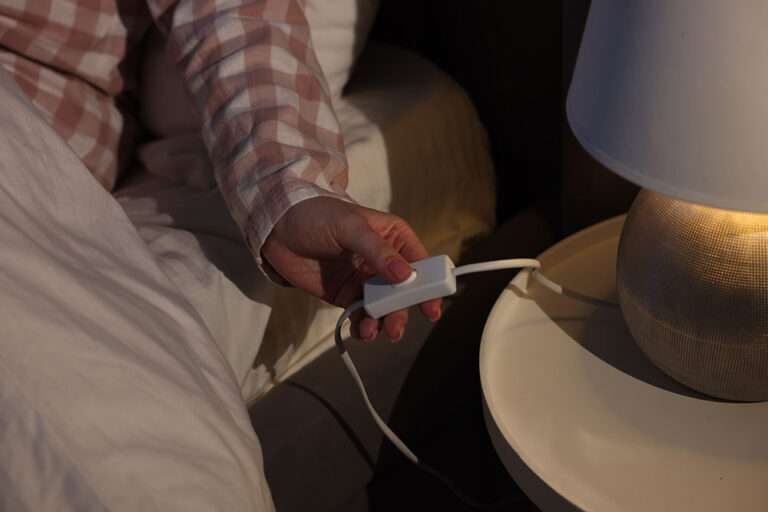
Keep warm without overheating. Several lighter layers are easier to adjust than one heavy layer, especially when moving between indoors and outdoors. Keeping frequently used rooms warm and setting the heating to come on before getting up on a cold morning can help too.
Colder weather can make everyday tasks feel a little more difficult for everyone; add age or Parkinson’s into the mix, and things can feel decidedly more challenging. But having the right support at home can change all that. Helping you or your loved one to keep routines going and stay as independent as possible.
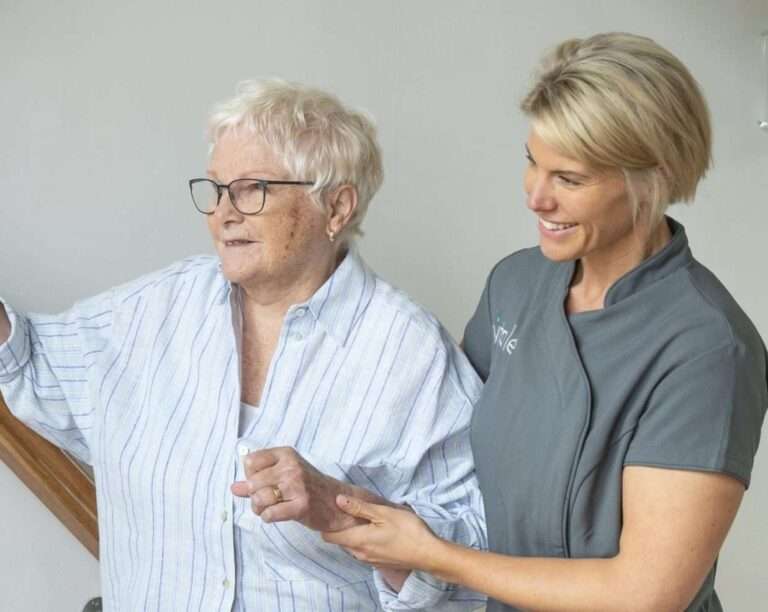
A Care Professional can help with things like cleaning, laundry, and other everyday household tasks. As well as shopping, running errands and helping prepare meals. But they can also support mobility, accompany someone on walks, drive them to where they need to be and generally help them continue doing the things they enjoy.
At Vitale Care, we also work with LV Rehabilitation. Care Professionals can receive training in equipment use and therapeutic exercises, so specialist therapy can become part of a client’s home care routine where needed.
Because Parkinson’s affects everyone differently, we always build Vitale Care Plans around the individual. Our aim is to provide the right level of support while helping each person continue with their own routines, preferences and goals.
Can cold weather affect Parkinson’s symptoms?
Cold weather does not affect everyone with Parkinson’s in the same way. However, Parkinson’s can affect the nervous system that regulates body temperature, so some people may feel the cold more keenly. Poor weather can also make existing problems with balance or mobility more difficult to manage.
How can I help someone with Parkinson’s stay active in winter?
Look for ways to keep regular movement part of the day, even when the weather makes going outside difficult. This could include gentle exercises at home, chair-based activity or strength and balance exercises. Parkinson’s UK has a useful range of physical activity resources for different abilities.
Is it safe for someone with Parkinson’s to go out in cold weather?
Many people with Parkinson’s can continue to enjoy walks and outings during colder weather. It may help to choose daylight hours, check the weather beforehand, wear suitable footwear, use familiar routes and allow a little more time.
How can Parkinson’s care at home help?
Parkinson’s care at home can support someone with everyday tasks while helping them remain as independent as possible. Support can include household tasks, shopping, meal preparation, mobility, outings and companionship. At Vitale Care, Care Professionals can also work alongside rehabilitation specialists where additional support is needed.
Supporting Someone with Parkinson’s Through the Colder Months
A change in weather can mean making a few adjustments, but it does not have to mean giving up the routines, outings and activities that make life enjoyable. With some forward planning and the right support, people living with Parkinson’s can continue to stay active, comfortable and independent throughout the colder months.
If you or someone you love could benefit from extra help at home, our Care Professionals provide specialist Parkinson’s care at home across West Sussex and the South Coast. Get in touch with Vitale Care to talk about the support that might be right for you.
Book a free, 20-minute consultation. No obligation.
or call 01243 973600
About the author: Nicola Munday, Registered Care Manager
Nicola started her care career in 2011, and started as a Registered manager in 2013, She has a passion for learning and developing new skills.
Get in touch today for a friendly chat and a free, no-obligation consultation.