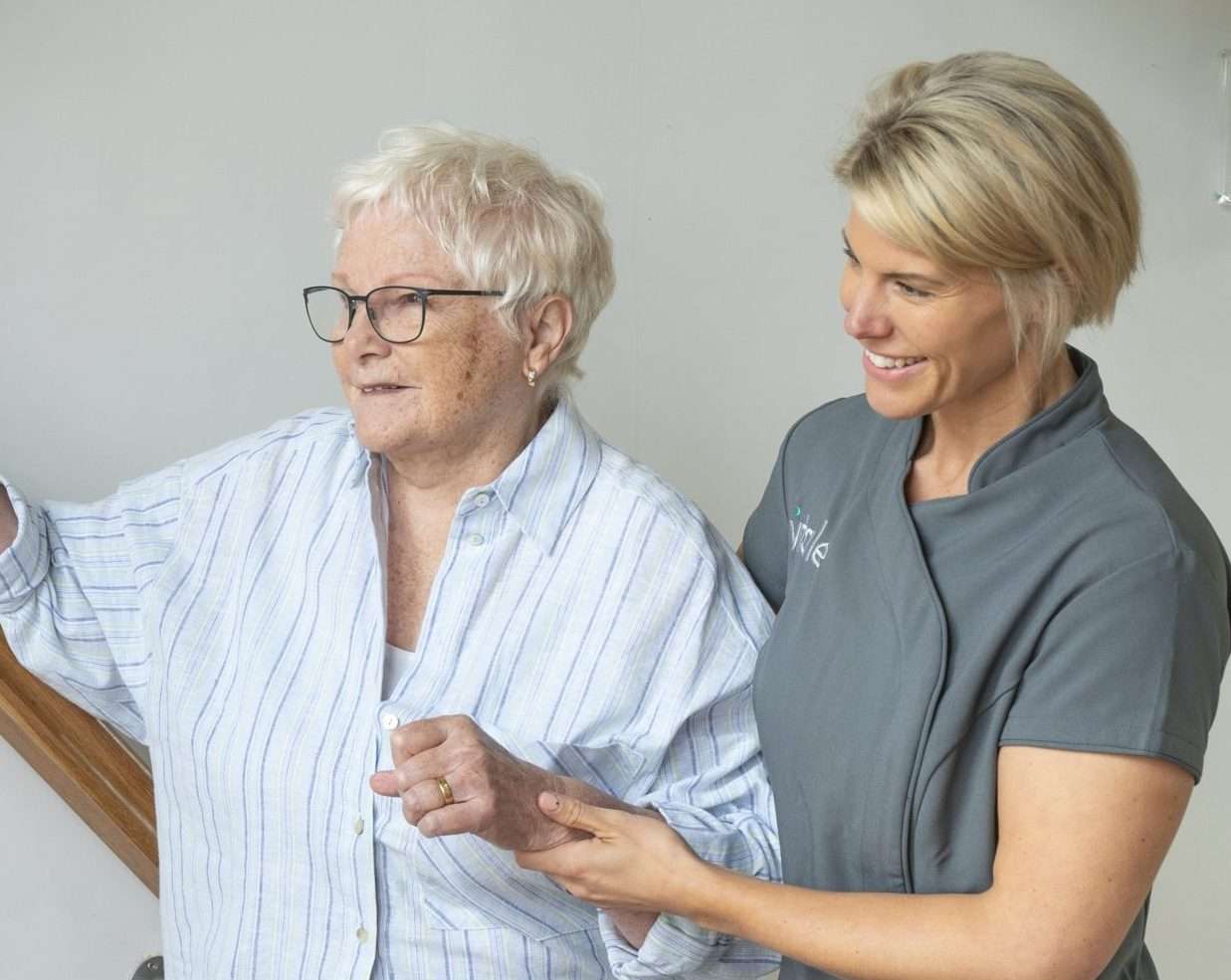
10th October marks World Mental Health Day. This day encourages us all to think about how we look after our mental health and support others. For older adults, challenges such as loneliness, anxiety, and depression can have a profound impact on quality of life. These feelings and symptoms can affect both physical and emotional well-being. At home, the proper support can make a meaningful difference. That is where companionship care in West Sussex plays a vital role, helping people feel connected, reassured, and more confident on a day-to-day basis.
Understanding the challenges of mental health in later life
Mental health doesn’t just affect our younger people. In fact, older adults can often be more at risk of challenges like loneliness, anxiety, and depression. Often, living alone after losing a partner or close friends means that daily life feels more isolating. And if families are unable to visit regularly, the sense of disconnection can grow. Over time, loneliness may affect sleep, mood, and even physical health.
Anxiety is also common, whether it is linked to health concerns, financial pressures, or worries about personal safety. For some, the rapid pace of technological and social change can add to feelings of uncertainty. Depression in older adults is sometimes mistaken as “just part of ageing,” but it is not. With the proper support, depression can be recognised and treated, improving confidence and independence at home.
Recognising these challenges is the first step to offering the right care and understanding.
Practical ways to support emotional well-being at home
There are many small but effective ways to nurture mental health at home. A regular routine can bring comfort and predictability, especially for someone living alone. Even simple things, such as preparing meals at the same time each day and maintaining a tidy space, can help make life feel more settled.
Staying active is equally important. Gentle exercise, whether through walking, light gardening, or chair-based stretches, supports both body and mind. Physical activity encourages the release of endorphins, which can help reduce feelings of stress or low mood.
Staying connected also matters. Regular phone calls, visits from friends and family or to a community hub can brighten someone’s day.
Creative activities can also boost mental well-being. Listening to music, reading, puzzles, and hobbies provide both stimulation and enjoyment, giving people something to look forward to each day.
Most importantly, companionship brings emotional warmth. Simply having someone to share a cup of tea with, talk through worries, or enjoy a walk can significantly reduce feelings of isolation.
How companionship care in West Sussex makes a difference
Care at home is not only about practical tasks, such as washing or meal preparation. It is also about emotional support. Companionship care in West Sussex ensures that older adults are not left to face loneliness or anxiety alone.
Care Professionals provide friendly conversation, encouragement, and reassurance, as well as help with daily routines. Because we tailor care to each individual, it reflects personal preferences and interests. This can mean anything from sharing a favourite hobby to supporting attendance at a local community group.
Families also gain peace of mind knowing that someone reliable is checking in, offering support, and helping their loved one remain independent in the comfort of their home. By focusing on both practical and emotional needs, Care Professionals help create an environment where older adults can thrive.
A reminder on World Mental Health Day
World Mental Health Day is a valuable reminder that emotional well-being is just as important as physical health. A healthy mental state can transform daily life, helping people feel safe, valued, and connected.
If you are concerned about loneliness, anxiety, or low mood in an elderly loved one, companionship care could make all the difference. Our Care Professionals across West Sussex are here to listen, to provide reassurance, and to help people live well in the place they know best.
To learn more about our companionship care in West Sussex and how we can support emotional well-being at home, please contact us today.