January has arrived, bringing freezing temperatures. Cold weather is hard on everybody, but it can be especially difficult for people living with arthritis. As temperatures drop, many of our clients experience increased stiffness, aching joints, and limited mobility. In this article, we thought we’d share some practical advice from our Care Professionals for managing arthritis pain at home.
Why Winter Can Make Arthritis Feel Worse
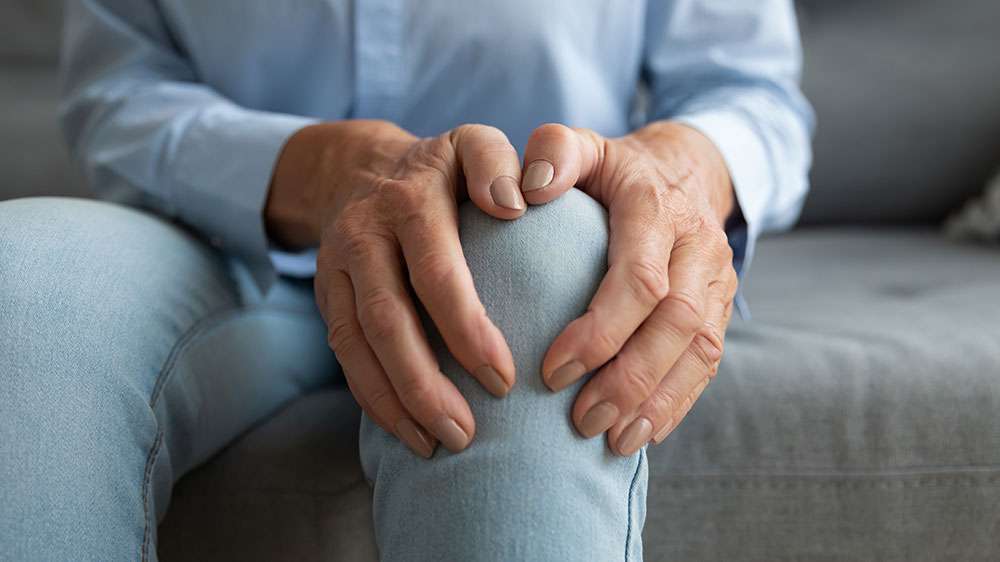
Although cold weather does not cause arthritis, it can make symptoms worse. Those lower, icy-cold temperatures often lead to tighter muscles and stiffer joints, particularly first thing in the morning.
Shorter days, poor weather, and icy paths make getting out and about feel less appealing. So, it’s understandable that you might move less in winter, which can increase stiffness and discomfort.
Some of our clients say that changes in air pressure affect how their joints feel, leading to deeper aches or a sense of heaviness. Cold, damp homes can add to this discomfort, especially for older adults who feel the cold more easily.
And finally, let’s not forget that bleak winters can also affect your emotional well-being. A low mood, in itself, can make pain harder to cope with. That is why both physical and emotional support are vital for well-being during the winter months.
Managing arthritis pain at home – Tips from our Care Professionals
There are several small changes you can make to help reduce pain and keep joints moving.
Warm things up: Wearing layers, using warm bedding, and keeping your home at a comfortable temperature can all help to ease joint stiffness. Heated throws and hot water bottles can offer comfort. We love the Stoov website for heated cushions, blankets, and chair warmers.
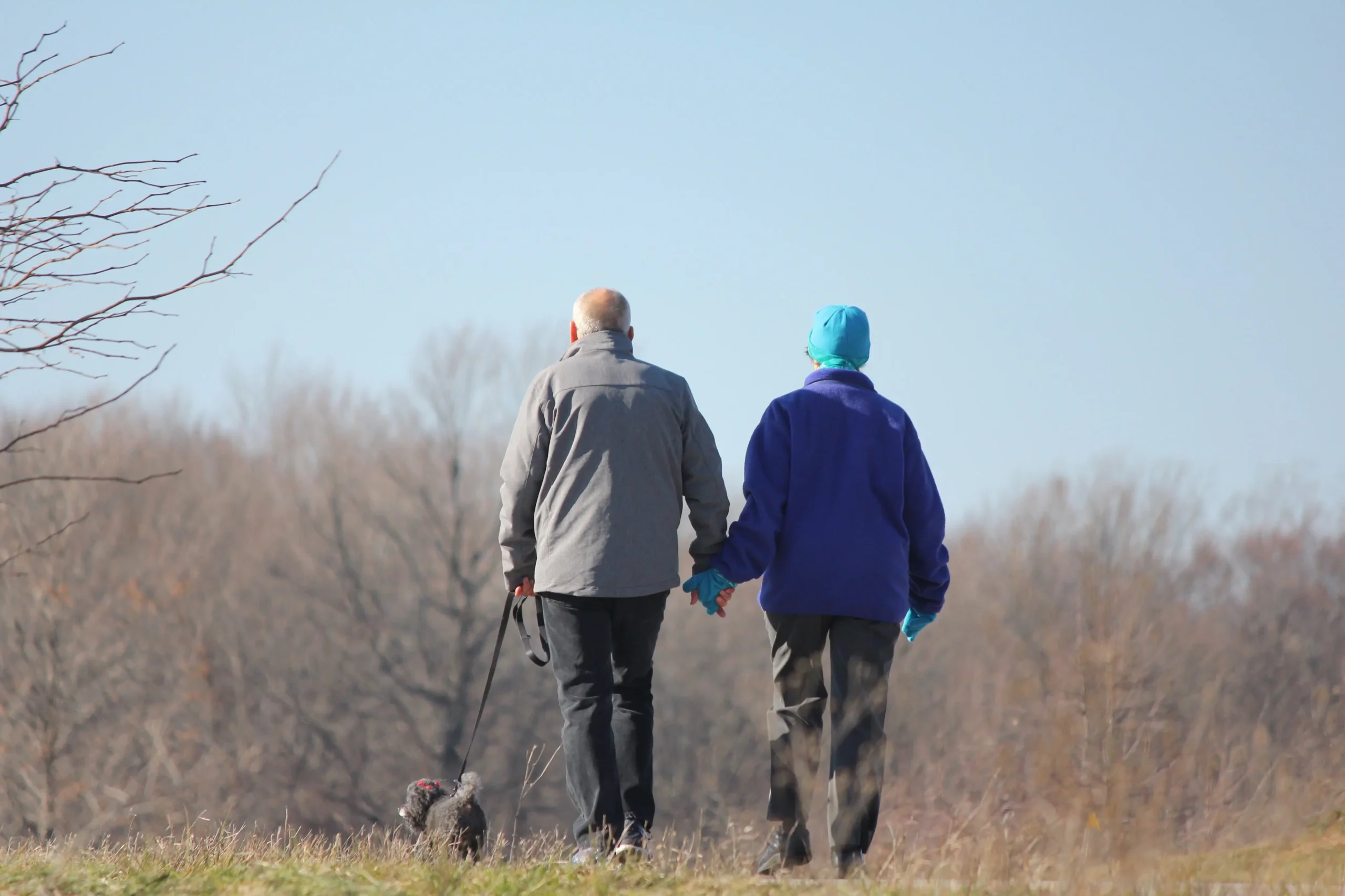
Move gently: Simple stretches, light chair exercises, or short walks indoors can keep your joints flexible without strain. Our Care Professionals can help to support you if you feel unsteady or unsure. But remember that movement doesn’t need to be overly strenuous to be helpful. The Versus Arthritis website offers a range of exercise resources, including gentle and seated options.
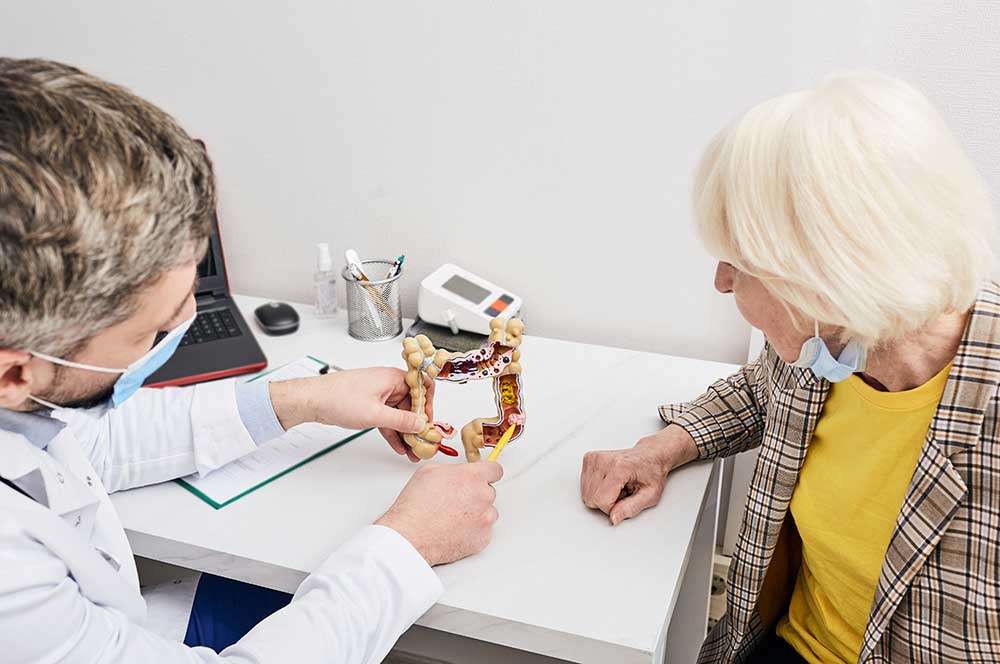
Medicate when necessary: Pain relief can also play a role in easing symptoms. But any medication should always be taken as advised by a healthcare professional.
Keep a comfortable home: Your environment matters too. A good old-fashioned draught excluder goes a long way! As does a de-humidifier to tackle damp. Even simple things, like keeping frequently used items within easy reach, can make daily tasks less tiring and more comfortable.
All of these small changes can add up, helping you manage arthritis pain and feel more comfortable and in control of your day.
Supporting your routine at a time that suits you
Many of our clients say winter mornings are the hardest for them, when stiffness and pain make everyday routines more difficult.
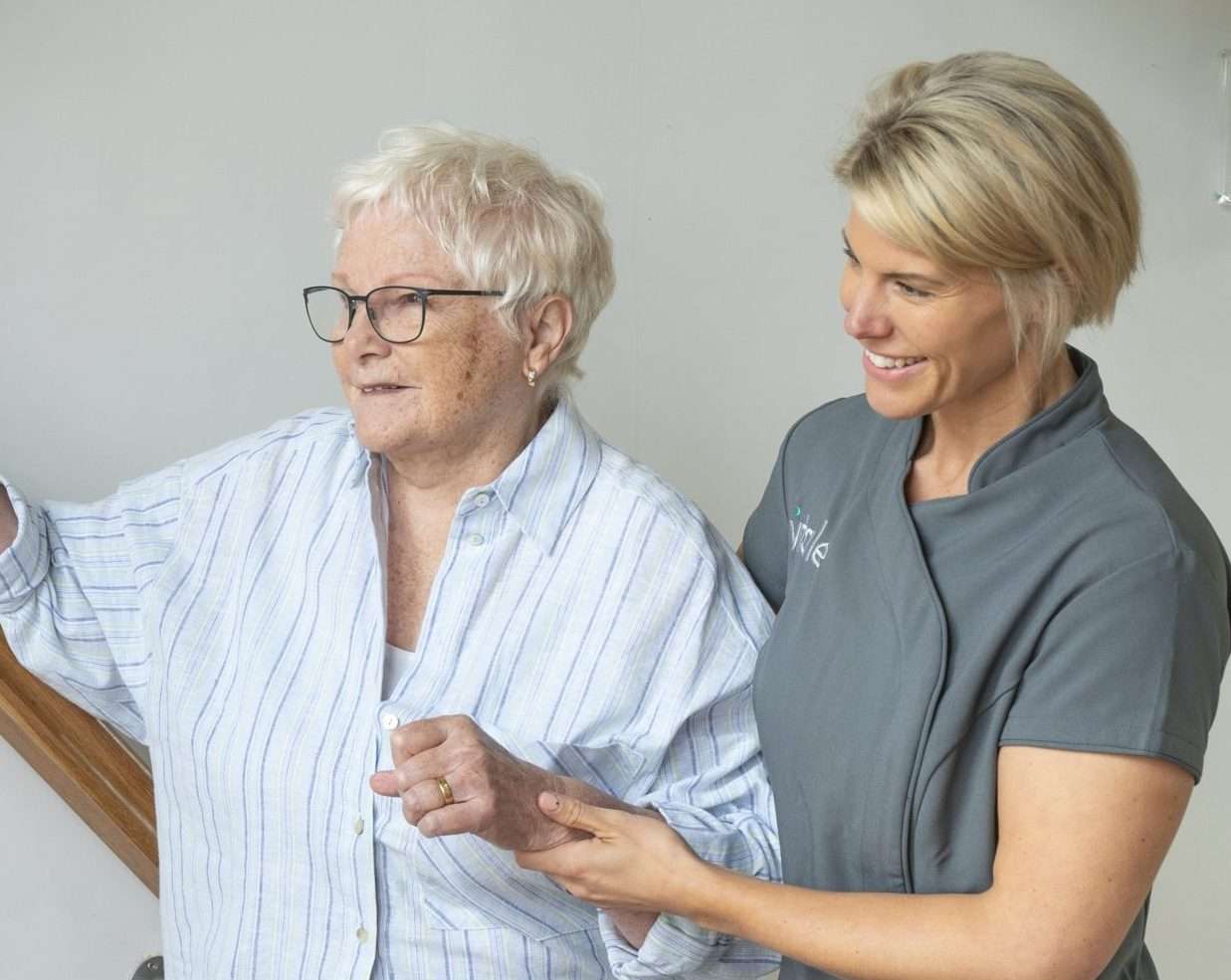
Your Vitale Care Care Professional can provide practical, reassuring support, including help with washing and dressing, preparing warm meals, or supporting safe movement and gentle exercise.
Just as importantly, their companionship and reassurance can make winter feel less isolating for you. Having a familiar, friendly face makes a real difference to so many of our clients.
Support Through the Winter
There’s no doubt that living with arthritis can feel challenging, especially during winter, but the right support can make everyday life easier. With practical steps at home and thoughtful care in place, it is possible to stay comfortable, safe, and independent through the colder months.
If you would like to talk about how a Care Professional could support you or a loved one at home this winter, please get in touch. We are always happy to offer a free, no-obligation home care assessment.