Care Services
About Vitale
More From Vitale
Not sure what support you need?


Nicola Munday, Registered Care Manager
Recuperating at home, rather than staying in a hospital or care home, can benefit people undergoing cancer treatment. Our Chichester-based Care Professionals offer cancer care at home. They can help you manage the unique challenges associated with cancer, including symptom management, medication management, and emotional support.
This article shares some practical tips for diet, recovery, and well-being.
A balanced, nutrient-rich diet is crucial for supporting cancer recovery. Many patients experience changes in appetite or difficulty eating due to side effects from the treatment. Here are some tips to help:
The Royal Marsden Cancer Cookbook is an excellent resource for exploring the foods that will support and nourish you during and after treatment.
Rest is essential for your recovery, but so too is gentle movement:
It’s important to remember that people with certain types of cancer or who are receiving specific treatments might need to avoid some types of exercise. So, it is vital to consult your doctor. The Macmillan Cancer Support website has lots of information on exercising safely when you have cancer, you can find out more HERE.
There is no doubt that cancer diagnosis and treatment can add a lot to your plate, so maintaining emotional well-being is vital.
Some cancer treatments can disrupt sleep. Add this to the melting pot of anxiety around your diagnosis, and you may find rest and relaxation hard to come by.
You may have questions about managing everyday life during cancer treatment and finding the right support. Below, we answer some common questions about cancer care at home and how we can help you or your loved one.
Can cancer patients be cared for at home?
Yes. Depending on their individual needs, someone undergoing cancer treatment may be able to receive care and recuperate in their own home at a time when familiarity and comfort can really matter.
What does a Care Professional do for someone with cancer?
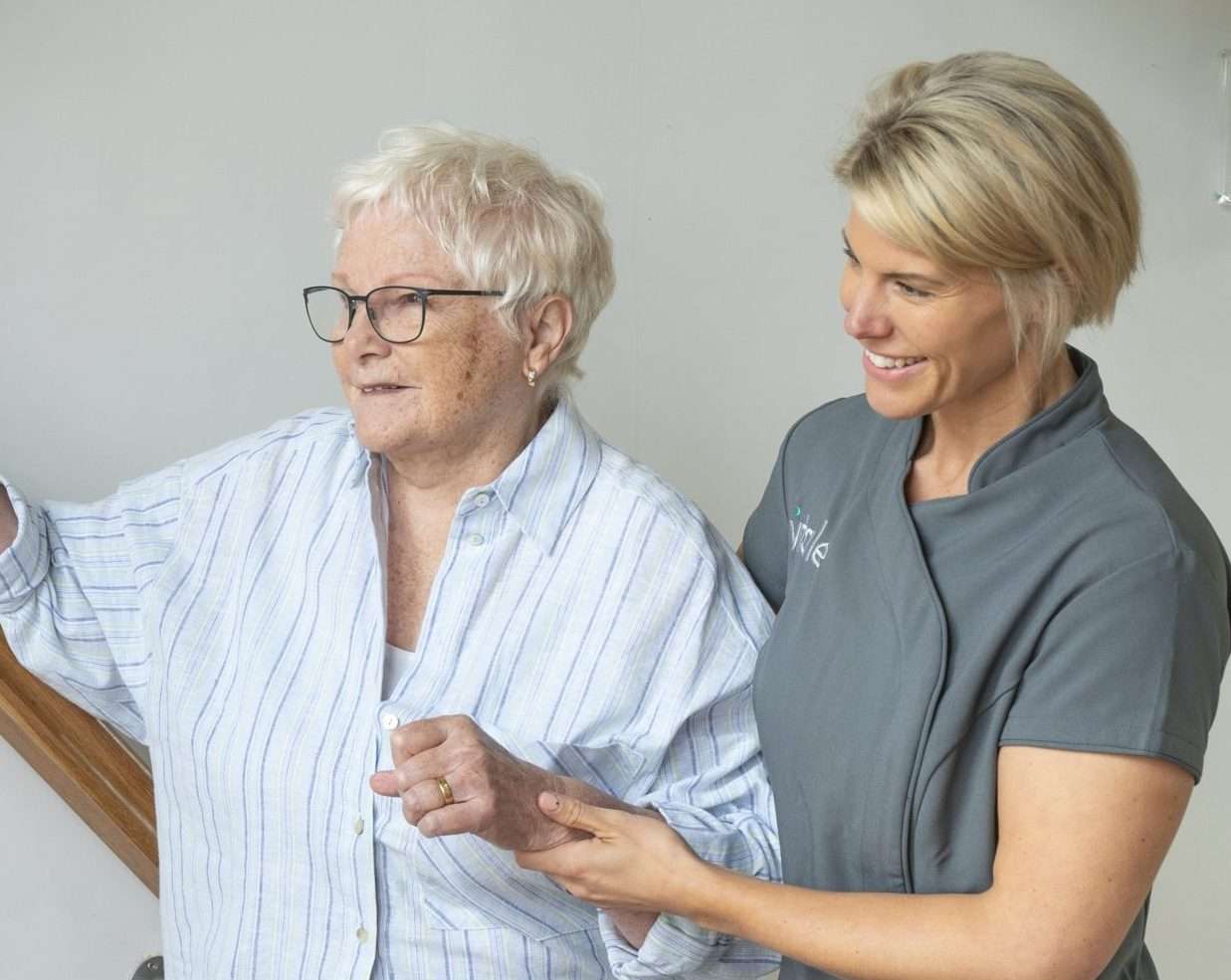
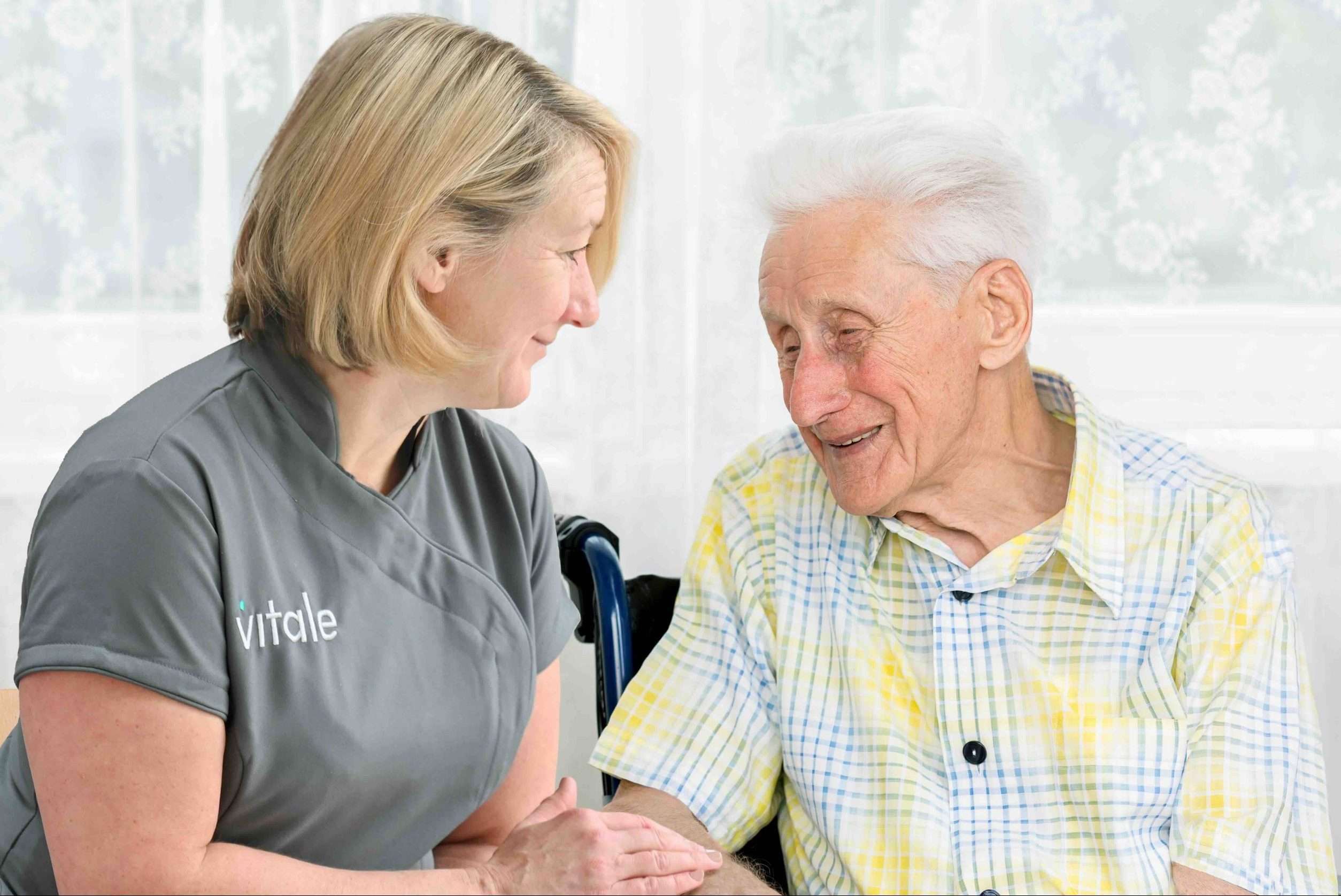
A Care Professional can provide practical and emotional support during cancer treatment and beyond. Cancer care at home can include help with symptom and medication management, preparing meals, keeping the home organised and supporting you with everyday routines.
How do I support a family member with cancer at home?
Focus on what your family member needs and can manage. This might be as simple as preparing meals, helping them stay hydrated and ensuring their home is comfortable and peaceful. It might mean keeping them company or, depending on the stage of their treatment, helping them feel socially connected. Remember to look after yourself, too. Supporting someone with cancer can be physically and emotionally demanding and accepting help can give you time to rest and recharge.
When should a cancer patient move from home care to a hospice?
This will always depend on individual needs and wishes, as well as advice from the healthcare professionals involved in their care. If you are unsure whether the time is right, speak to your loved one’s medical team about the options available.
At Vitale, we proudly provide cancer care at home in and around Chichester. We will always focus on your physical, emotional, and mental well-being, personalising your cancer care to address your practical needs. Contact us to book an assessment.
Book a free, 20-minute consultation. No obligation.
or call 01243 973600
About the author: Nicola Munday, Registered Care Manager
Nicola started her care career in 2011, and started as a Registered manager in 2013, She has a passion for learning and developing new skills.
Get in touch today for a friendly chat and a free, no-obligation consultation.